

Compact pistols are widely used for personal defense, training, and range practice. One of the most important components in these firearms is the slide, which plays a key role in cycling and operation. It houses several internal parts and moves with each shot fired. Many users focus on this part when upgrading or customizing their pistol. Small changes here can affect performance.
Understanding the Role of the Slide in Operation
The slide is responsible for multiple actions during firing. It moves backward after a shot, ejects the spent casing, and then returns forward to chamber a new round. This cycle happens very quickly, often in a fraction of a second. Precision matters. Timing is critical.
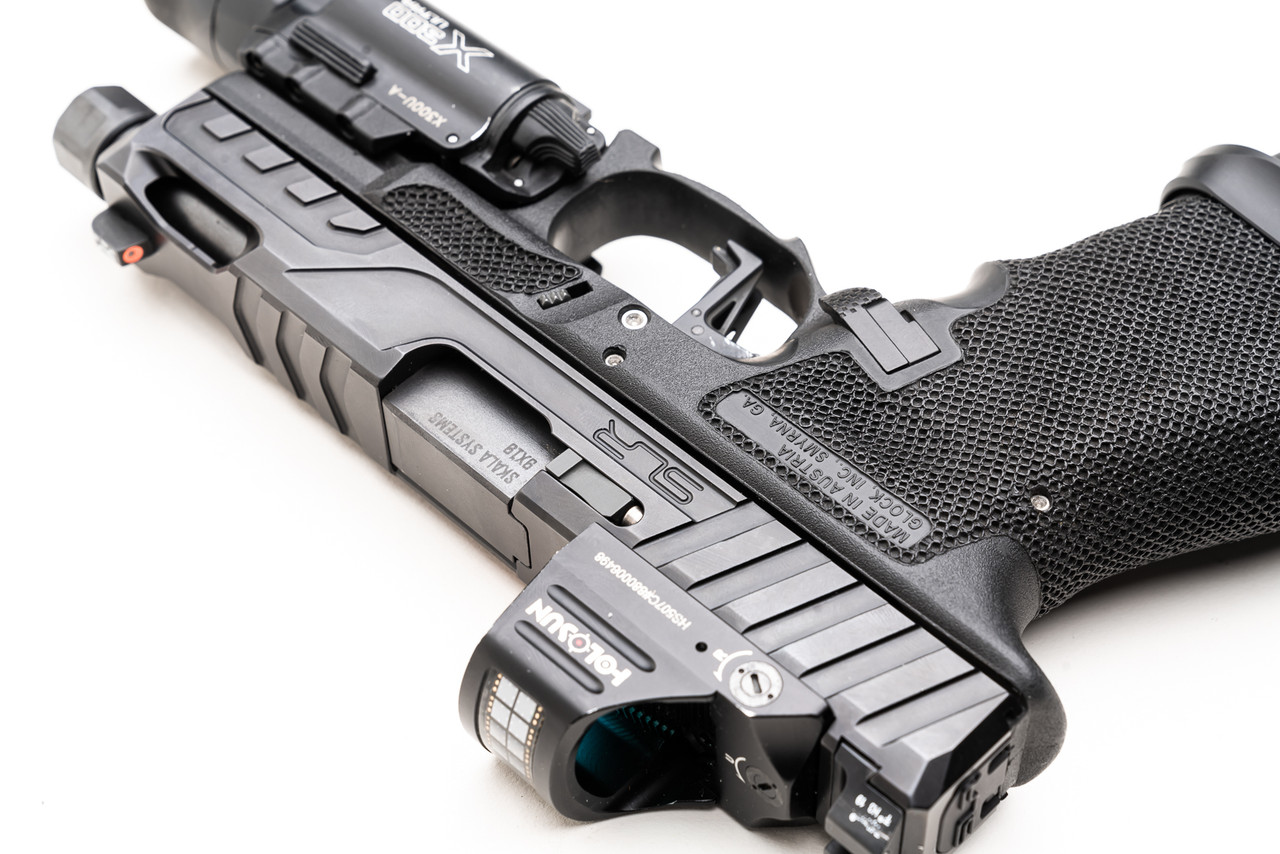
Inside the slide, several components work together. These include the firing pin, extractor, and recoil spring assembly. Each part must function correctly for reliable operation. If one piece fails, the entire cycle can be affected. That is why proper assembly is important.
Material and construction also play a role in durability. Most slides are made from steel, which can handle repeated stress. Some are treated with coatings to resist wear and corrosion. These finishes extend the life of the component. They also affect appearance.
Choosing the Right Slide for Your Setup
Selecting a slide involves considering compatibility, material, and design features. Some slides come pre-cut for optics, allowing easy installation of red dot sights. Others have front and rear serrations for better grip during handling. Each feature serves a purpose. Preferences vary.
Many online retailers provide detailed options, including products like the glock 19 gen 3 slide that show material specifications, machining details, and compatibility with different builds. Reviewing these listings helps users compare features and make informed decisions. It also reduces the chance of choosing the wrong part. Research helps avoid issues.
Weight is another factor to consider. Lighter slides can cycle faster, which may affect recoil feel. Heavier slides often provide more stability during firing. The difference can be subtle. Testing helps determine preference.
Performance Impact and Shooting Experience
The slide directly influences how a pistol feels during use. Its movement affects recoil and muzzle rise. A well-balanced slide can make shooting more comfortable over time. This becomes noticeable after firing 100 rounds or more in a single session.
Fit between the slide and frame is also important. A tighter fit can improve consistency and accuracy. Loose fitting may lead to slight movement during firing. Even small shifts can affect shot placement at distances like 25 yards. Precision helps.
Heat buildup occurs during extended shooting sessions. The slide absorbs some of this heat, which can affect performance if not managed. Taking short breaks allows components to cool. This helps maintain consistency. Awareness matters.
Maintenance and Care for Longevity
Regular cleaning is essential for keeping the slide in good condition. Carbon residue and debris can build up in areas like the breech face and extractor. Removing this buildup prevents malfunctions. Cleaning does not take long. It should be done often.
Lubrication is also important for smooth movement. Applying a small amount of oil to contact points reduces friction. Too much lubrication can attract dirt and dust, which may affect function. Balance is key. Many users follow a routine.
Inspection helps identify wear over time. Parts like the extractor and firing pin channel should be checked regularly. Replacing worn components prevents larger issues. Small checks can save effort later. Consistency helps.
Customization and Upgrade Options
Slides offer many opportunities for customization. Some users choose designs with cuts to reduce weight or improve airflow. Others prefer optic-ready slides for mounting red dot sights. These changes can affect both performance and appearance. Options are wide.
Here are a few common upgrade ideas:
– Selecting an optic-ready slide to allow quick installation of a compatible sight system for improved target acquisition.
– Choosing a slide with front serrations to improve grip during press checks and handling.
– Using a coated slide finish to increase resistance to wear and corrosion during frequent use.
Each modification changes how the pistol behaves. Testing after upgrades ensures proper function. Some changes may require additional parts or adjustments. Planning ahead helps avoid compatibility issues. Details matter here.
Safety and Legal Awareness
Understanding local laws is essential when modifying firearm components. Regulations can vary depending on location and may affect what changes are allowed. Checking these rules before making modifications helps prevent legal problems. This step should not be skipped.
Safe handling practices must always be followed. Even during maintenance, the firearm should be treated with care. Keeping it unloaded and pointed in a safe direction reduces risk. Accidents can happen. Awareness reduces chances.
Training can improve both safety and skill. Many users attend courses to learn proper handling and maintenance techniques. These sessions often include hands-on practice. Learning from experienced instructors builds confidence. It supports responsible use.
The slide plays a central role in how a compact pistol functions and feels, and understanding its design, maintenance needs, and customization options allows users to make informed choices while maintaining reliable performance and safe handling over time.